News
Latest News From Around The Industry

Change &...
As we start 2024, FMG has many print and digital media options for you to place advertising messaging, either a listing ad within a send or a solo send...
0

Ready, Set, SHOT...
It’s hard to believe we are already entering a new year!
0

How To Make...
Sitting on the other side of the promotional desk, as the target of new stuff promotion, I thought it might be helpful to share some best practices I’ve seen.
0

The Rumors Of My...
Is print really dead? Let me offer a slightly different perspective.
0
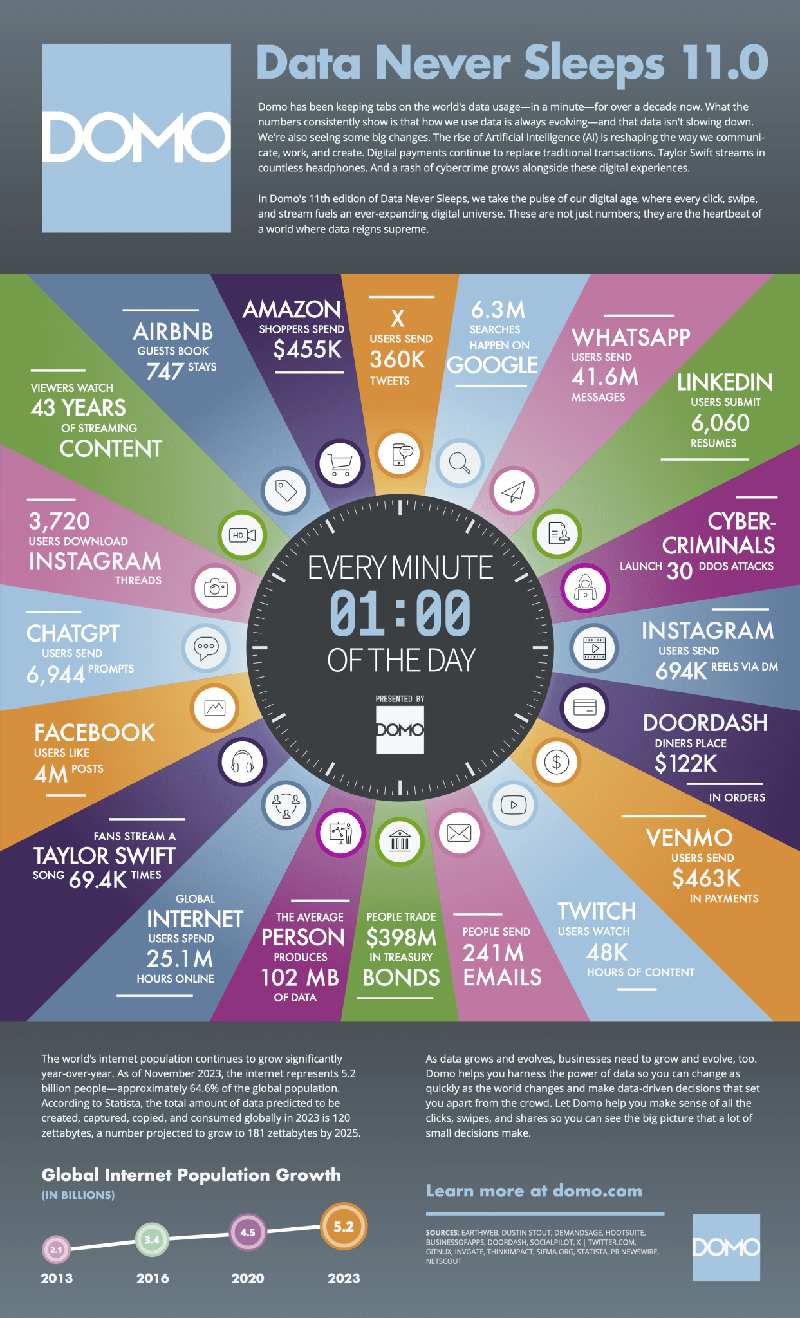
Every Minute Of...
This report provides a range of stats on internet and app usage, including the collective hours we spend online and where we spend them. The “every minute...
0
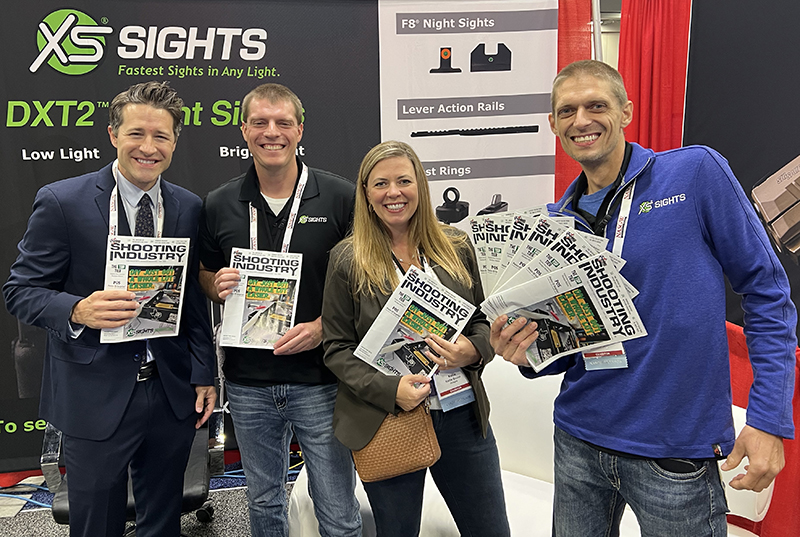
Getting Down To...
Reach out so we can curate a custom program to help launch your newest products and advertise this year’s promotions.
0

The Good About...
Don’t cut back now; try new things and make sure to keep your share and even grow it in these times.
0

The End (Of The...
This would be a great time to push those final new 2023 products or send a preview of your 2024 new product rollouts.
0

Find A Solid Partner
Find a solid partner and supporter to become the best version of you.
0
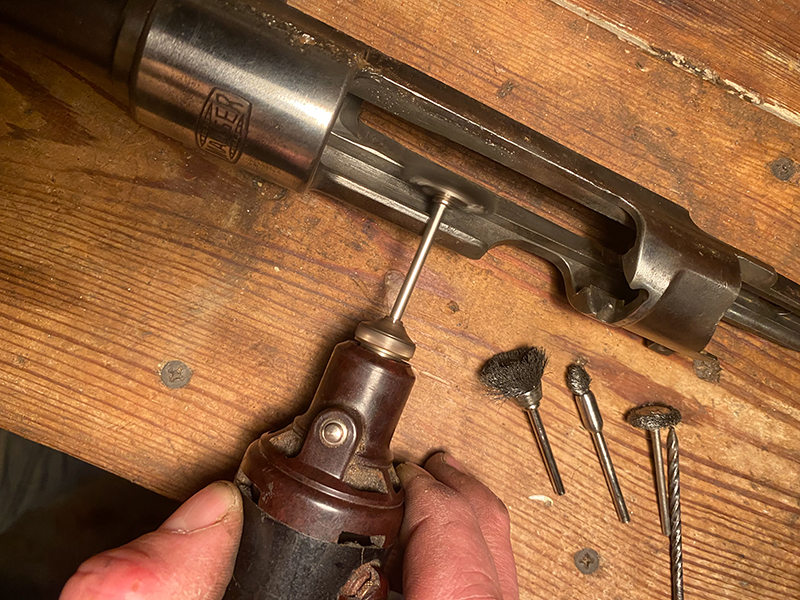
September...
The September issue of Shooting Industry begins a three-part series on incorporating DIY and gunsmithing products and services to a store’s offerings.
0

“On-Demand”...
Print-on-demand technology creates unique opportunities to offer specialty print publications for manufacturers and a legion of readers who have a passion...
0

Year-End Issues...
Production on the year-end issues of American Handgunner and GUNS Magazine is in full swing and there’s no better time than now to reserve space.
0
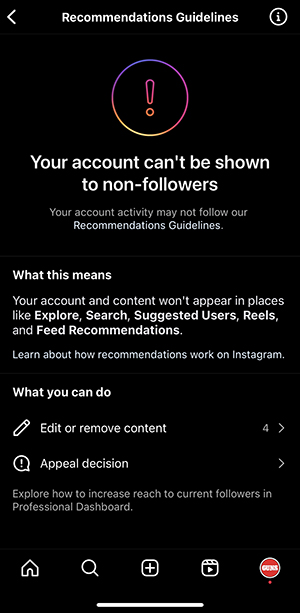
In The Shadows
Users in the shooting sports community have long speculated their Instagram accounts were being shadowbanned, citing sudden drops in reach, engagement,...
0

Halfway Point To...
Ready or not, we’re approaching the halfway point in between SHOT Shows later this month.
0

I Am Frightened
I have seen the future and it frightens me: “AI” is truly lurking just outside.
0

Overlord Or Best...
Will AI replace human consumption and composition of stories and news?
0

July 2023 Rep Rap
FMG Publications advertising reps offer tips for better results in 2023.
0

Fourth Of Oh My!
Did colonial revelers and Chinese alchemists ever think to use the explosive merrymakers as an insect deterrent?
0

FMG Expands...
With the additional sends, we now have Tuesday, Friday and Sunday send dates to accommodate readers and advertisers.
0

“Range...
Content in the August issue of Shooting Industry will be dedicated exclusively to range operations.
0

Gunslingers Of...
GUNS Magazine Old West: History, Guns & Gear Special Edition is back in the saddle again.
295

What's Your Story?
It’s up to all of us to share how active the industry is in empowering those who are vulnerable, leading the charge to preserve the public lands for...
0

I Told You So
Too bad I can’t use my newfound talent for prognosticating the stock market.
0

Is Your Message...
If you want positive reception of your message and to avoid the figurative toilet, two things are essential: Understanding the target audience and engaging...
0

Shift The Narrative
If we don’t talk about the positives, all everyone will continue to hear is the negative.
0
June 2023 Rep Rap
FMG Publications advertising reps offer tips for better results in 2023.
0
8 Hot Takes From...
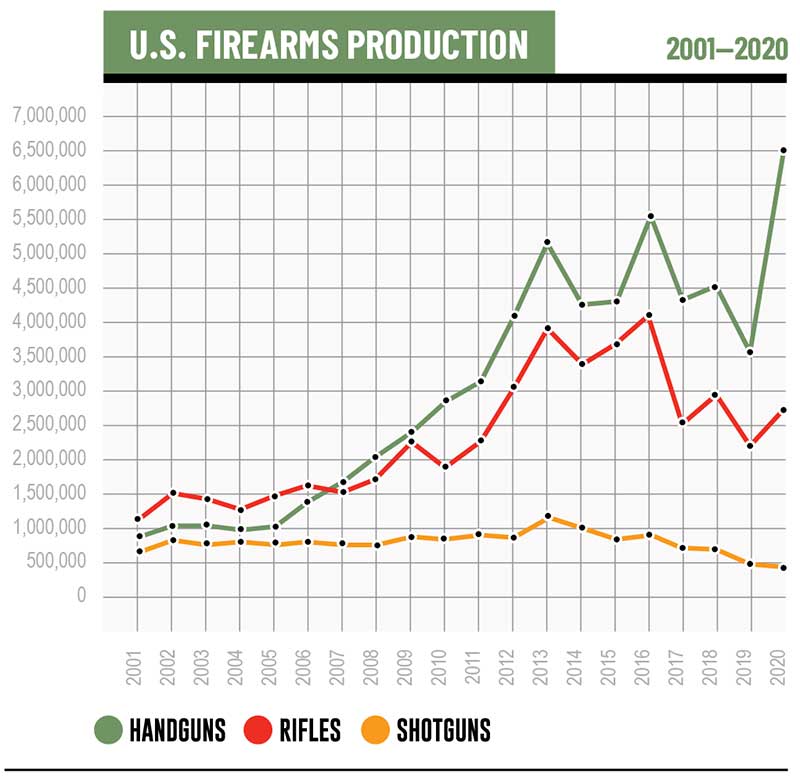
A preview with eight hot takes from what was a record-breaking year from U.S. firearms manufacturers.
0

U.S. Firearms...
Shooting Industry’s exclusive “U.S. Firearms Industry Today” report delves into the ATF’s 2021 Annual Firearms Manufacturing & Export Report (the...
0

Top Gun: CZ TS 2...
CZ TS 2 & Dan Wesson DWX featured in September 2023 issues.
0

Woke Wars — A...
Don’t be cowed into making decisions your common sense tells you will not be well received, regardless of how loud somebody — or a few somebodies —...
0

Inevitability Is...
Smart guns are inevitable. Being cranky about them isn’t going to cause them to be un-invented or unreleased to the marketplace.
0

In Demand
According to the latest report on concealed carry in the United States from the Crime Prevention Research Center, “In 2022, women made up 29.2% of permit...
9
May 2023 Rep Rap
FMG Publications advertising reps offer tips for better results in 2023.
0

The Winner’s...
Ever wondered who actually wins radio station contests, mail-in sweepstakes and magazine giveaways?
0

Future Gun...
I your marketing doing enough (or anything at all) to reach those who don’t fit neatly into what gun owners have historically looked like?
0

Offering Product...
When it comes to equipment consumers want good gear. While they can recognize quality in their day-to-day life, there are times when they need some help.
0

FMG Digital...
Performance indicators — including open, click-through and click-to-open rates — consistently reveal engagement far surpassing industry averages.
0

Premiere...
Content aimed at elevating the industry safety message to FFL dealers and employees.
0

5 Ways To Spring...
There’s no better time than now to do some spring cleaning to get the digital side of things in tip-top shape.
0

Set In Stone
While we maintain — and continue to grow — a robust digital presence, there’s still nothing quite like the tangible feel of a printed publication.
0

Digital...
Want more control over what’s being said about your brand or product online?
0

Fleeced Fugitives
In New Zealand, where sheep outnumber people, you have to imagine the residents get a bit restless from time to time.
0

April 2023 Rep Rap
FMG Publications advertising reps offer tips for better results in 2023.
0

The Importance...
I’m chock-full of why.
0

The New Rules Of...
I can’t imagine trying to build a business online from scratch nowadays.
0
Event Opportunities
Engage with your customers and get real, honest feedback on your products.
0

Community Support
Our communities need and want competent first responders who are out there taking care of everyone.
0

Uphill Battle
As big tech continues to make its advertising and content policies more restrictive, remember, FMG brands continue to give clients direct access to reach...
0

A Rethink Is In...
It’s time we consider “How far is too far to go?”
0

Reader Mail Insights
There’s no better market research than investing a few hours per week perusing and responding to their emails.
0

A Disservice To...
The 2023 Woman’s Issue is now available — marking the fifth time Shooting Industry has presented this reader favorite.
0

DIY GUNS Coming Soon
FMG’s bestselling Special Edition issue of DIY GUNS is back for 2023
0
March 2023 Rep Rap
FMG Publications advertising reps offer tips for better sales in 2023
0

The Power Of...
Before the online landscape completely altered the way humans seek information, exploring interests relied heavily on print media.
0

Scorching...
A Preview of the July/August 2023 issue of American Handgunner and the July 2023 issue of GUNS Magazine.
0

2-Part Ammo...
What’s next for the ammunition market?
0

Word From NASGW...
Signs from the 2022 NASGW Expo point to a period of “discovery” as we approach 2023.
0

3 Hot Takes From...
Scores of manufacturers and the industry’s leading wholesale distributors convened in Kansas City for the 2022 NASGW Expo & Annual Meeting. Thanks to its...
0
GROWTH IN YOUTH...
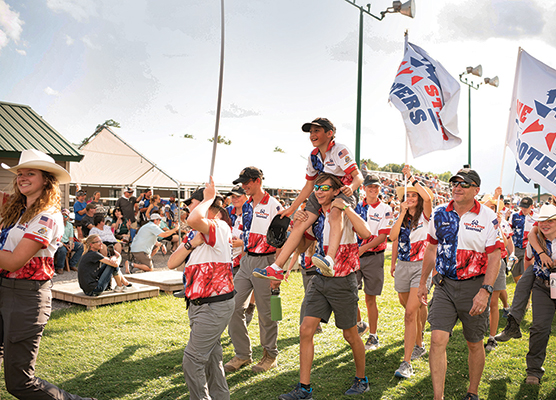
Another record-breaking season was set in July at the 2022 Scholastic Clay Target Program (SCTP) and Scholastic Action Shooting Program (SASP) National...
1

A Big Week Ahead...
There are more MSRs in circulation today than there are Ford F-Series trucks on the road.
1

ICYMI: Headlines...
As part of a $1,000,000 charitable pledge in honor of Henry Repeating Arms’ 25th anniversary, Henry President Andy Wickstrom presented a $50,000 check to...
1

You've Got Mail!
In the past 30 days, FMG’s newsletters have seen an average open rate of 33% — 13% more than the average across all industries.
1

Smith & Wesson...
Sept. 30, Smith & Wesson announced it would be moving its headquarters and “significant elements of its operations” to Maryville, Tenn., in 2023. Based...
8

NSSF Announces...
NSSF has selected six recipients to receive grants made available by the NSSF Hunting Heritage Trust.
1

FN Wins U.S....
FN America announced the awarding of a firm-fixed-price contract to supply the U.S. Army with M240 series machine gun variants and spare receivers. The...
0

NSSF Fly-In:...
May 25–26, NSSF staged its annual Congressional Fly-In, a virtual-only affair this year due to continued restrictions on in-person visits at Capitol Hill....
0

Industry’s...
In the span of little more than a week, some of the largest public companies in the firearms industry space — Ruger, Smith & Wesson, Vista Outdoor and...
0

A Girl & A Gun...
A Girl & A Gun Women’s Shooting League (AG & AG), the industry’s first, large-scale, chapter-based women’s organization, marked its 10th year in the...
0

Benelli USA Adds...
Two years after Beretta Holding acquired premium French firearms manufacturer Chapuis Armes, Benelli USA has announced the addition of Chapuis to its U.S....
1

CZG To Acquire...
Feb. 11, CZ Group (CZG) announced it had signed an agreement to acquire Colt Holding Co., the parent company of Colt’s Mfg. Co. and Colt Canada Corp., for...
6

Industry...
Demonstrating a bullish outlook on the prospects of future growth, several industry companies have laid the groundwork for expanding or relocating...
6
AMMO, Inc. to...
Arizona-based munition company best known for its STREAK Visual Ammunition line, AMMO, Inc. has announced its intent to acquire online firearm marketplace...
3

CZ Group...
Less than four months after revealing a letter of intent to acquire Colt Holding LLC, CZ Group has signed a definitive agreement to acquire the parent...
2
Federal...
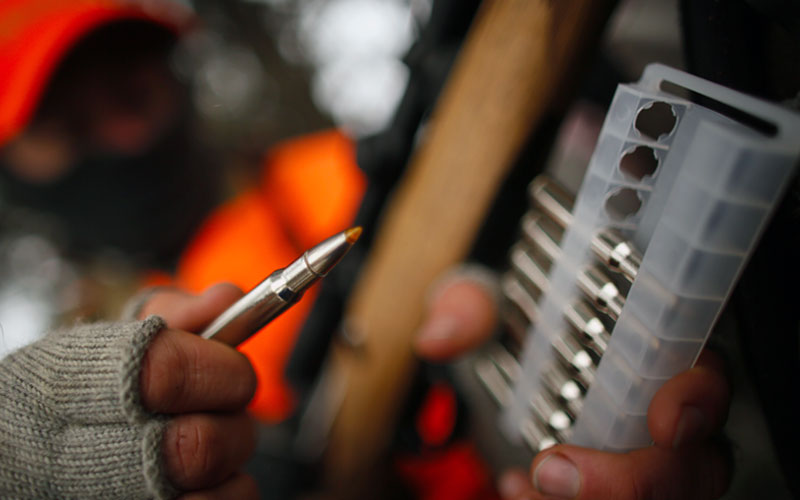
In a new video, President of Federal, CCI, Speer & Remington Jason Vanderbrink attempts to explain how the ammunition giant is handling workforce safety, as...
1

NRA Files for...
In a new letter, National Rifle Association (NRA) CEO Wayne LaPierre announced the gun rights advocacy group has filed for Chapter 11 petitions as part of a...
5

CZ Group Nearing...
According to new regulatory documents, Česká zbrojovka Group (CZG) is in late talks to acquire Colt Holding Company LLC (Colt), bringing the legendary...
3
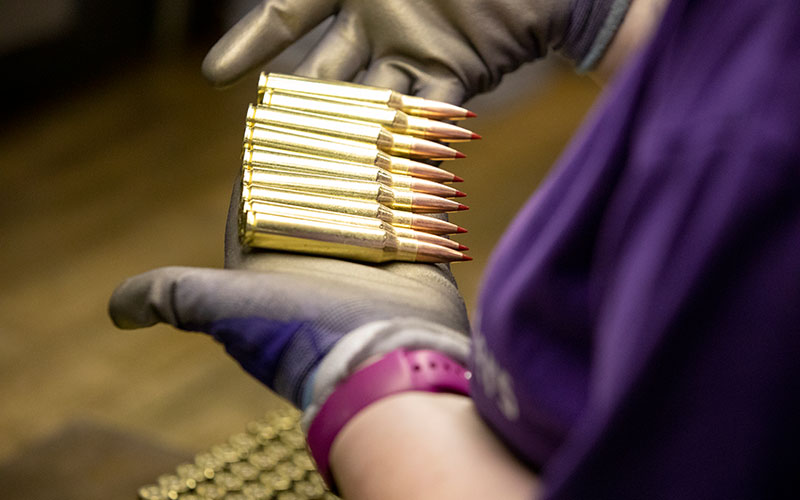
Hyper Demand to...
This past year saw record sales of firearms and the largest single-year growth of first-time gun owners in history. But with record sales comes a high...
3
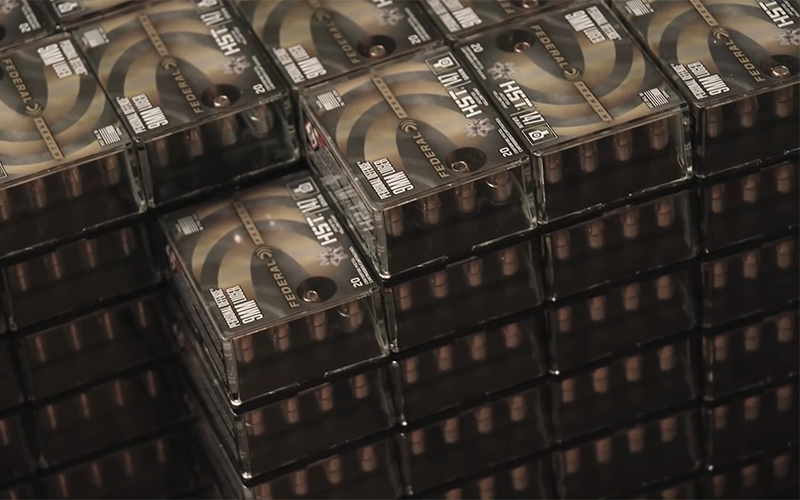
Federal, Hornady...
Earlier this month, Federal and Hornady executives spoke to consumers in videos published online, addressing the current ammunition shortage, their...
5

A New Way to...
As I turned the mall corner, I could see it — Beretta’s new pop-up store. Located in the Cherry Creek Mall a short drive from downtown Denver, Colo., it...
3

Impact Of...
It’s not often the shooting industry is covered like Hollywood tabloids, but recent U.S. Bankruptcy Court documents regarding Remington Outdoor Company...
0

Remington Assets...
Despite its history, Remington has struggled in recent years, filing for Chapter 11 bankruptcy for the second time in July. Forced to sell its assets, court...
0

Smith & Wesson...
Smith & Wesson has developed and launched a multi-media marketing campaign: Smith & Wesson GUNSMARTS. The new effort is designed to welcome new gun owners...
1

NRA Sued in New...
This week’s double-team lawsuits against the National Rifle Association and the NRA Foundation are being criticized and scrutinized for their timing, with...
2
ript>

August Is...
Whether you’re a seasoned shooter, first-time gun owner or have never stepped foot on a range, National Shooting Sports Month is a month-long celebration...
1
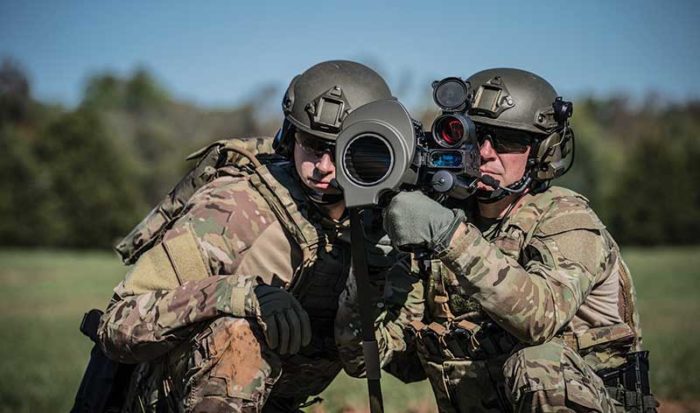
Industry News:...
STI Rebrands, Walther Launches Defense Division, Aimpoint Secures Follow-Up Contract and More ...
0

Conservation...
As quarantine restrictions ease across the country, leading conservation organizations have partnered together to promote the #ResponsibleRecreation...
0

Staying...
With many sectors of the U.S. economy struggling in the wake of the COVID-19 pandemic, the firearms industry has continued to flourish....
0

Industry Comes...
While the novel coronavirus pandemic has generated thousands of negative headlines, there are encouraging reports of communities coming together in this...
0

New Hunters On...
During a press event at SHOT Show, NSSF, U.S. Fish & Wildlife Service (USFWS), Delta Waterfowl and Savage Arms cited recent innovative programs that are...
0